Picture your kitchen on a cold Sunday afternoon. The windows are slightly misted, and the rich, heavy scent of roasting chicken and fresh thyme hangs in the air. You pull the heavy steel roasting tin from the oven, hearing that promising sizzle of hot fat. Yet, as you tap a fork against a golden edge, there is a dull thud instead of a sharp, glass-like shatter. The disappointment is quiet but absolute. You followed the rules—roaring hot oil, a vigorous shake in the colander—but the ultimate crunch remains elusive.
The Chemistry of the Perfect Edge
We are taught that mastering the potato is a simple equation of heat and intense agitation. But what if the secret rests not in the oven, but in the boiling water? Creating a legendary crust is like preparing the soil for a rich harvest; the terrain itself must be fundamentally altered. The true missing ingredient for maximum crunch is a mere half-teaspoon of bicarbonate of soda dropped directly into your simmering saucepan.
I learned this standing in the cramped, steam-filled kitchen of a centuries-old pub in North Yorkshire. The head chef, a pragmatic man who treated humble root vegetables with the reverence of a diamond cutter, stopped me as I reached for the salt. He handed me a small pot of alkaline powder instead. He explained that making the water alkaline aggressively breaks down the potato’s exterior. It creates a thick, starchy paste—a slurry—that coats the potato perfectly. When this paste hits hot fat, it fries into a thick, shatteringly crisp shell while the inside stays soft.
| The Cook | The Specific Benefit |
|---|---|
| The Sunday Host | Guaranteed crispness that holds its structural integrity even under a blanket of rich gravy. |
| The Time-Poor Parent | Reduces roasting time slightly because the starchy edges crisp up much faster in the oven. |
| The Batch Cooker | Alkaline-treated potatoes freeze beautifully after parboiling, ready for the oven anytime. |
The Mindful Preparation
To employ this method, start with the right foundation. You want a floury variety—a Maris Piper or a King Edward is essential for this technique. Peel and cut them into large, even chunks. Size matters here; if they are chopped too small, they will completely disintegrate in the alkaline bath.
Bring a large pan of generously salted water to a rolling boil. Before the potatoes go in, add exactly half a teaspoon of bicarbonate of soda. You will notice a brief, vigorous fizz upon contact. Gently lower your potatoes into the water. The alkaline environment will immediately begin to work on dissolving the exterior pectin.
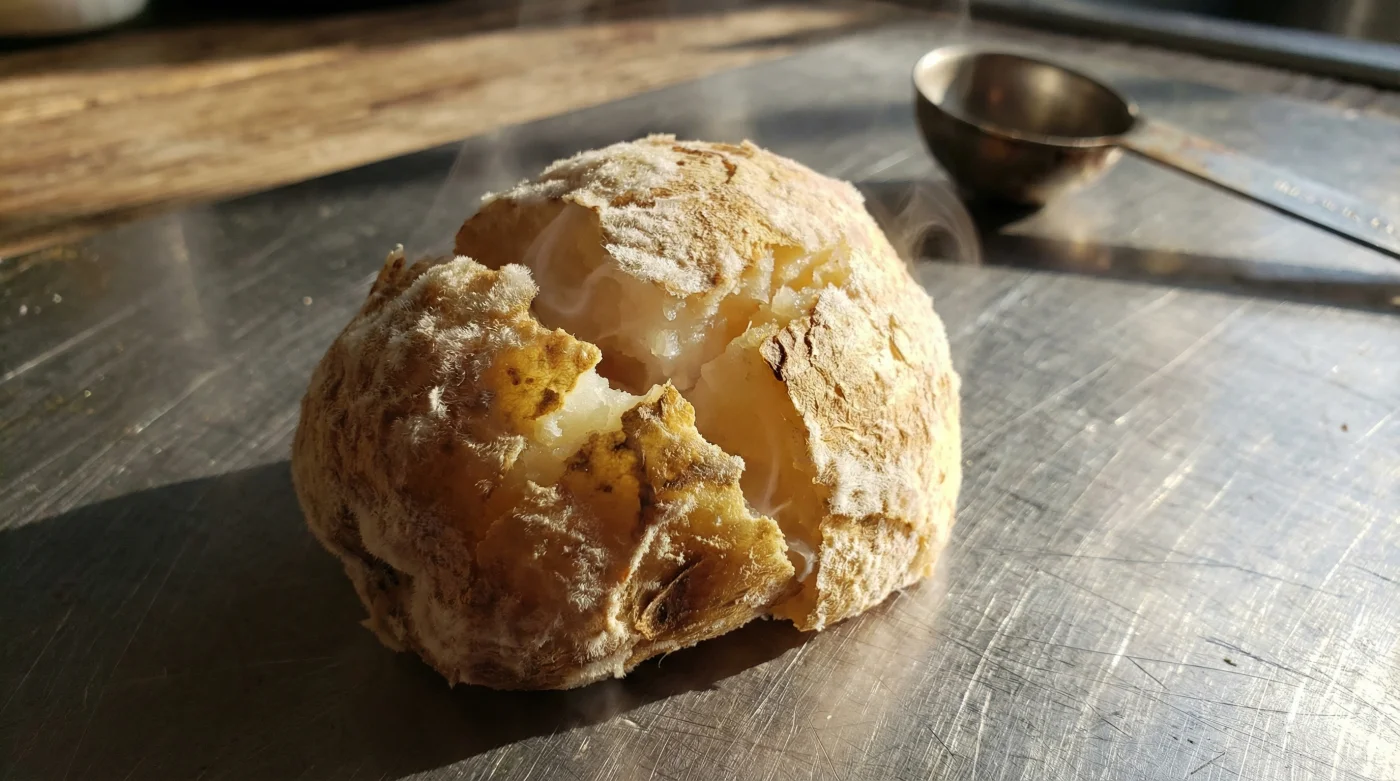
Boil them for about ten to twelve minutes. You are looking for a very specific texture: the outside should look slightly fuzzy and fragmented, almost as if it is starting to fall apart, while the core remains resistant to a knife. This controlled breakdown is the exact starch slurry you need for the final roast.
| The Element | The Mechanical Logic |
|---|---|
| Water pH (Neutral vs Alkaline) | Standard water leaves pectin intact. Alkaline water (pH 8-9) dissolves pectin rapidly, releasing dense starches. |
| The Starch Slurry | Creates a thick micro-batter around the potato, vastly increasing the surface area for the fat to fry. |
| Maillard Reaction Temperature | The extra starch accelerates browning, achieving deep gold at 200°C before the inside dries out entirely. |
- Heinz tomato ketchup faces new recipe alterations under strict UK regulations
- Garlic cloves lose their health benefits during this instant chopping step
- Lurpak butter prices trigger sudden supermarket security tag implementations nationwide
- Single cream splits in hot sauces without this crucial tempering stage
- Chicken breast remains perfectly succulent using this specific resting timeframe
Meanwhile, your roasting tin should be in the oven holding a generous layer of beef dripping, goose fat, or a quality rapeseed oil, heating aggressively at 220°C (Fan 200°C). Tumble the dry, fluffy potatoes into the smoking fat, turning each one so it is fully coated. Space them out; a crowded tin creates trapped steam, and steam breathes through a pillow, turning your hard work soft and pale.
| What to Look For | What to Avoid |
|---|---|
| Floury potato varieties (Maris Piper, King Edward) that flake easily. | Waxy potatoes (Charlotte, Anya) which stubbornly refuse to fluff up. |
| A distinct, heavy layer of starchy paste after the parboiling stage. | Boiling to the point of a complete, watery mush where chunks lose their shape. |
| A loud, aggressive sizzle when the potato hits the pre-heated fat. | Overcrowding the tin, leading to steamed, pale edges and a soggy base. |
Beyond the Roasting Tin
There is a profound, grounding satisfaction in mastering this small physical detail. Cooking for others is an act of care, and handing someone a plate featuring a flawlessly crisp roast potato is a quiet triumph. It elevates a standard Sunday dinner from a routine meal into a memorable event.
By understanding the simple, transformative chemistry of bicarbonate of soda, you remove the anxiety and guesswork from your weekend cooking rhythm. You are no longer crossing your fingers and hoping for the best when you pull the heavy tin from the heat. You know, with absolute, quiet certainty, that you have engineered a genuinely spectacular texture.
The greatest revelations in a kitchen are rarely expensive ingredients; they are tiny adjustments to temperature, time, or in this case, a pinch of humble powder.
Frequently Asked Questions
Will the bicarbonate of soda leave a soapy taste?
Not at all. A half teaspoon in a large pot of water is completely undetectable in the final flavour profile, masked further by generous salt and rich roasting fat.Can I use baking powder instead?
No. Baking powder contains acidic elements that entirely neutralise the alkaline effect. You must use pure bicarbonate of soda for the chemical breakdown to occur.Do I still need to salt the boiling water?
Yes. The salt seasons the potato from the inside out, while the bicarbonate of soda strictly handles the exterior texture. They work perfectly in tandem.Can I prep these ahead of time?
Absolutely. You can parboil, rough up, and cool the potatoes completely in the morning. Keep them in the fridge until it is time to heat your roasting fat later in the day.What is the absolute best fat to use for roasting?
For traditional, robust flavour, beef dripping or goose fat is unparallelled. For a brilliant vegetarian alternative, cold-pressed rapeseed oil handles the high heat beautifully without burning.